Offshore wind farm turbines at sea
Wind Energy Solutions

Wind Turbine Blade Adhesive and Resin Systems Built to Your Specification

Long-lasting blades start with durable bond lines. We formulate epoxy and urethane adhesive systems for structural blade bonding, combining the flexibility, shear strength, and peel strength needed to withstand decades of fatigue and temperature cycling.
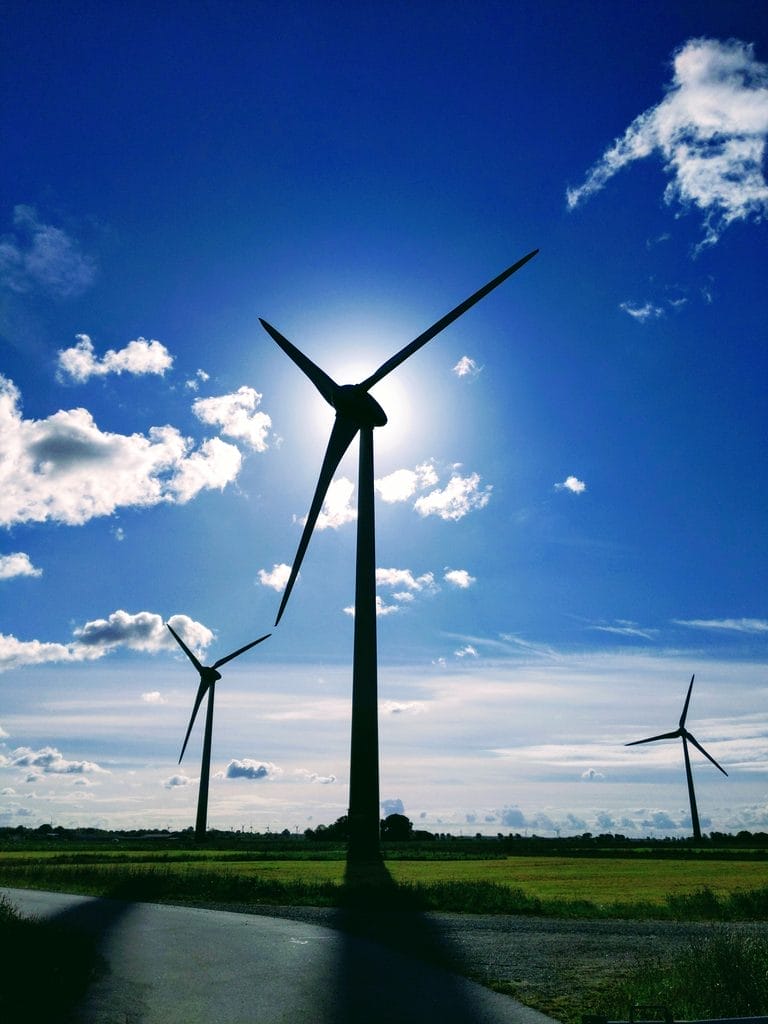
Wind turbine in an open field
Capabilities

Why Wind Energy Manufacturers Choose Innovative Resin Systems

Here are the top advantages that reflect decades of formulating epoxy, urethane, and acrylic systems for components that can’t be re-inspected once they’re spinning.
Illustration of multiple resin chemistries being dispensed onto different substrates

Multi-Chemistry Formulation Under One Roof

No two blade joints have the same cure profile, toughness needs, or processing conditions. That’s why we develop REZ-CURE® epoxy systems in one- and two-component formulations, with both ambient- and heat-cure options, as well as two-component, ambient-cure polyurethane systems, all under one roof.
Bonded test samples in glass, metal, composite and honeycomb materials

Bonding Across Difficult Substrates

A single blade combines glass and carbon laminates, gelcoats, foam or balsa cores, and metal root fittings, each with different bonding demands. Our adhesive systems manage these dissimilar materials while maintaining shear and peel strength through decades of fatigue and environmental exposure.
Laboratory technician inspecting a resin sample

Direct Chemist Access and Fast Iteration

Validation schedules can’t wait on long email chains. You’ll work directly with the chemist who formulated your sample, while every iteration includes the ISO 9001 and UL documentation needed for qualification, helping keep your project on schedule.
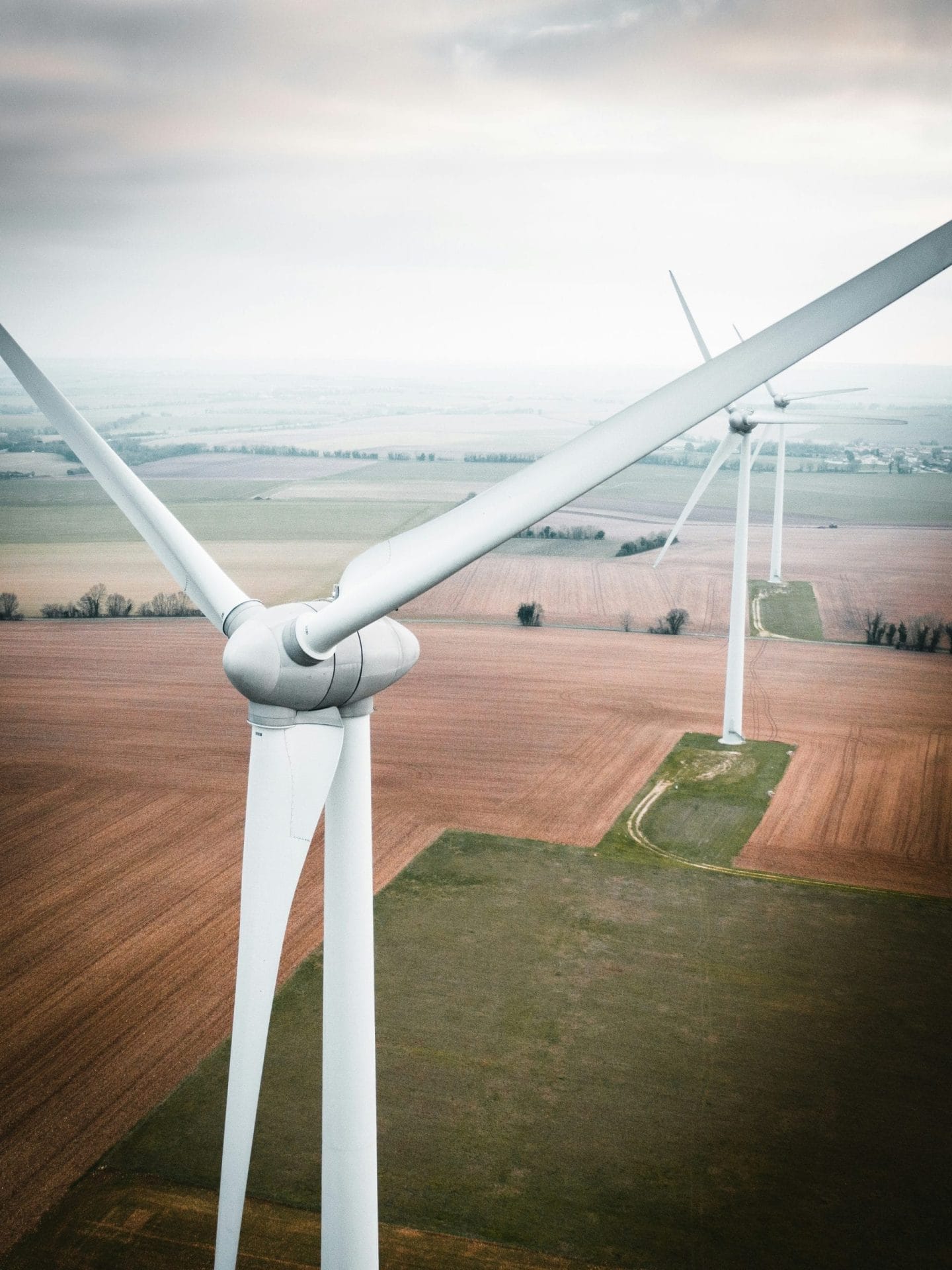
Wind turbines in a field under a blue sky
The Formulation Process

Where Our Wind Turbine Adhesive and Resin Systems Perform

A single wind turbine requires multiple material solutions. Our systems provide structural strength, protect surfaces from the elements, and insulate electrical components. Here’s where each system fits.

Blade Shell Bonding

Blade shells form the turbine’s primary aerodynamic structure and rely on structural adhesives that withstand continuous flexing and environmental exposure over decades of service.

Shear Web and Spar Bonding

Shear webs and spar caps keep blades stable under changing wind loads. Our epoxy and urethane systems provide the toughness, gap-filling capability, and fatigue resistance these structural joints require.

Root Insert and Composite-to-Metal Bonding

The blade root transfers enormous loads into the hub through metal inserts bonded to composite structures. We develop adhesive systems that manage differences in stiffness and thermal expansion while maintaining structural integrity under long-term cyclic loading.

Leading Edge Protection and Surface Coatings

Our specialty coatings and resin systems help protect leading edges and composite surfaces from weathering and erosion, extending service life in demanding environments.

Generator, Sensor & Electrical Component Potting

Sensors and electrical components operate through vibration, moisture, and changing temperatures. Our epoxy potting compounds encapsulate critical assemblies for long-term protection and reliability.

Composite Blade Manufacturing

Composite blades demand epoxy systems that combine consistent curing with long-term strength and fatigue resistance, supporting reliable production at every stage.

  • AS9100D
    Certified Manufacturer
  • ISO 9001
    Quality Management
  • 50+
    Years Structural Bonding
  • Fast
    Qualification Cycles

Frequently Asked Questions

Find answers to common questions about wind turbine blade adhesives, from substrate selection to validating service life.
What makes an adhesive suitable for wind turbine blades?

A wind turbine blade adhesive must combine high shear and peel strength with enough toughness and elongation to survive tens of millions of fatigue cycles, wide temperature swings, and long-term moisture and UV exposure, all while filling the wide, uneven bond gaps a large blade presents.

Do you offer both blade adhesives and epoxy for windmills?

Yes. Most blade programs need both. Structural adhesives bond shells, shear webs, and root inserts, while wind turbine epoxy systems protect leading edges, pot sensors, and encapsulate electronics, all from one supplier that understands your blade.

Can your adhesives bond composite blade materials?

Yes. Whether it’s glass-to-glass, carbon-to-glass, or composite-to-metal, we customize each adhesive for your joint, optimizing adhesion and toughness for its laminates, cores, and inserts.

What technical support do you provide during qualification?

You’re not handed a data sheet and left on your own. Our chemists support you through formulation, testing, and qualification, providing the guidance and documentation your approval process requires.

Can you match a specific performance spec or standard?

Send us your test protocols, performance targets, and compliance requirements, and we’ll formulate a wind turbine blade adhesive or coating to match, with supporting documentation included.

What temperature range can your systems handle?

That’s set by the application. Our epoxy, urethane, and acrylic systems perform in conditions ranging from ambient-cure assembly work to the elevated temperatures a loaded blade and drivetrain reach in the field.

Can you scale from prototype to production volume?

Yes. The formulation you approve in the lab is the one produced at scale, batch after batch, with ISO 9001 and UL documentation to ensure consistency from prototype to production.

Innovative Resin Systems laboratory workspace