Construction workers installing steel beams on a building site
PRODUCT DESCRIPTION

Epoxy Structural Adhesive and Acrylic Systems Built to Your Specification

High shear strength, impact resistance, temperature endurance, and fast fixture times all start with the chemistry. Our chemists tune epoxy, acrylic, and polyurethane systems to your substrates, load conditions, and cure needs.

Available formulations include:
  • Two-part epoxy and polyurethane adhesive systems that cure at ambient temperature for high-strength structural bonds
  • One-part, heat-cure epoxy adhesive systems for maximum temperature and chemical resistance
  • Structural acrylic adhesive systems for fast fixturing and bonding to lightly prepared surfaces
  • Toughened grades formulated to absorb impact and peel without sacrificing shear strength
  • High temperature epoxy adhesive formulations that hold their strength through sustained thermal exposure
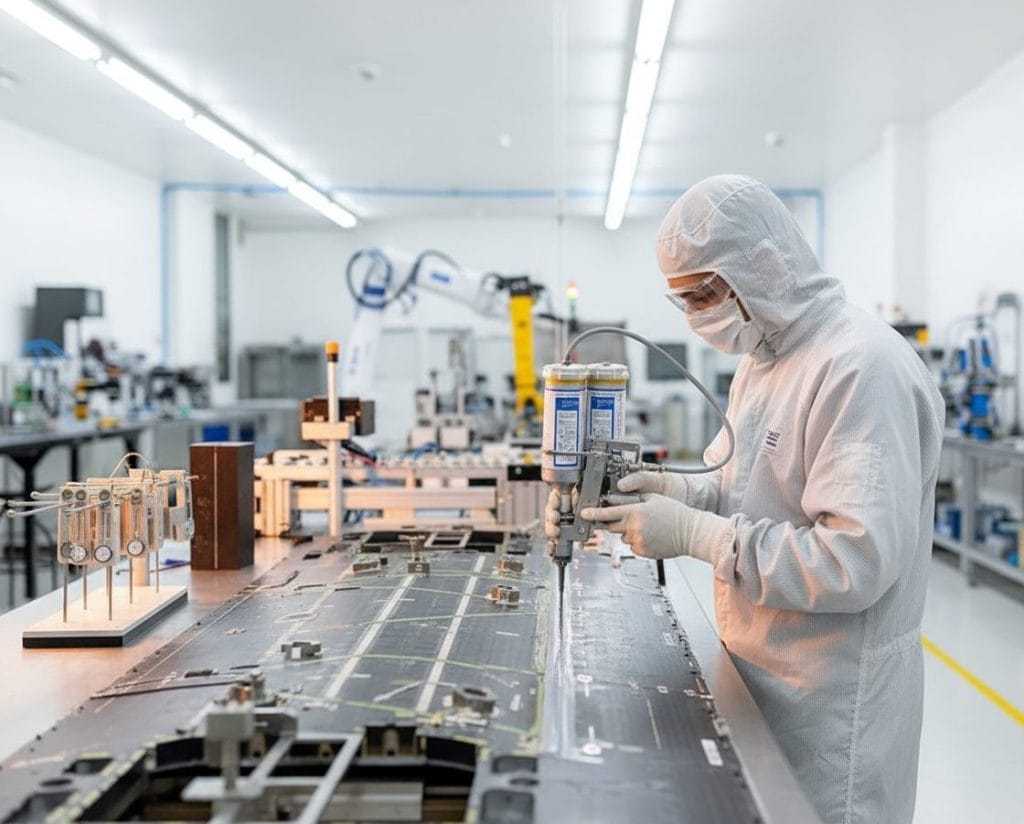
Technician working in a cleanroom production area
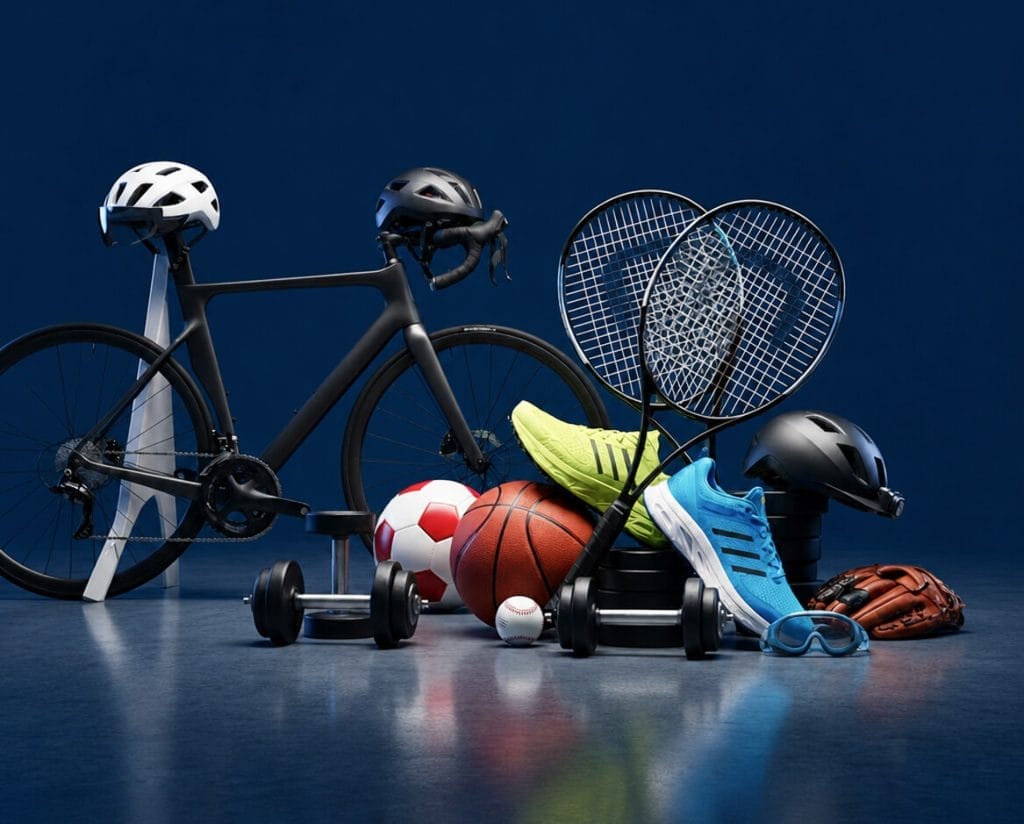
Collection of sporting goods including a bicycle, helmet, balls and rackets
The Formulation Process

From Engineering Brief to a Qualified Epoxy Resin Adhesive

Every bonding project follows a clear sequence, moving from your substrates, load conditions, and production line to a structural adhesive proven against the stresses it will face in service.

Understand the Challenge

We begin by mapping your requirements in detail, from joint geometry and load type to service temperature, cure schedule, and certification constraints. How and where the assembly performs matters as much as the numbers on the drawing.

Select the Chemistry

Working from proven epoxy, acrylic, and polyurethane platforms, our team identifies the system best matched to your targets, whether that points toward a rigid epoxy adhesive, a fast acrylic, or a toughened grade built to absorb impact.

Formulate and Refine

Our chemists build candidate systems in the lab and iterate quickly, adjusting viscosity, open time, cure profile, and toughness until the bond behaves exactly as specified.

Validate and Document

Each formulation is tested against your criteria and backed by audit-ready documentation, including the AS9100D, ISO 9001, and UL records your quality team relies on.

Scale To Production

Once the chemistry is right, we move to production volume with the same team you worked with from the first brief. Lead times, batch consistency, and packaging are aligned to how your line actually runs.

Ask About Our Process
Applications

Where Our Epoxy Adhesive and Acrylic Systems Perform Under Load

From the assembly line to the field, engineers rely on our structural adhesives to carry loads that welds and fasteners can’t handle alone.
Passenger aircraft parked at an airport terminal at sunset

Aerospace Structures

Composite panels, honeycomb cores, and metal skins demand joints that survive altitude, vibration, and heat. An aerospace-grade epoxy bonds these assemblies while trimming the weight that rivets add.

Vehicle body raised on a lift in an automotive assembly plant

Automotive and EV Assembly

Lightweight vehicles join aluminum, steel, and composite in one structure. Our metal epoxy adhesive bonds these dissimilar materials and distributes crash loads evenly across the entire joint.
Wind turbines on rolling green hills

Metal Fabrication and Machinery

Welding warps thin panels and concentrates stress. A structural adhesive for metal spreads the load across the overlap, sealing the joint against corrosion at the same time.
Climber scaling an indoor climbing wall

Wind Energy

Turbine blades depend on large bonded joints that flex millions of times. We engineer structural adhesive bonding that resists fatigue and holds through decades of thermal cycling.
Technician assembling electronic components at a workbench

Electronics and Appliances

Housings, heat sinks, and display assemblies require clean, reliable bonds. Our structural acrylic adhesive fixtures quickly on the production line and bonds lightly prepared surfaces with minimal priming.
Gloved hand holding a metal heat exchanger core

Filtration Systems

Filter frames and end caps must bond securely and resist the fluids they handle. Our epoxy adhesive seals and structurally joins these components for a long service life.
  • AS9100D
    Certified Manufacturer
  • ISO 9001
    Quality Management
  • 25+
    Years Structural Bonding
  • Fast
    Qualification Cycles

Frequently Asked Questions About Our Structural Adhesive Systems

Explore the questions we hear most often from engineers and procurement teams evaluating our structural adhesive systems.
When should I choose epoxy instead of a structural acrylic adhesive?

Epoxy delivers the highest strength, temperature endurance, and chemical resistance for rigid joints. Acrylic cures faster and bonds oily surfaces, so the right pick depends on your substrates and line speed.

What is the difference between a one-part and a two-part epoxy adhesive?

A one-part system cures with heat and offers long shelf stability. A two-part epoxy adhesive cures at room temperature after mixing, and many teams prefer a 2-part epoxy adhesive for field work that needs no oven.

Can you bond metal to metal and metal to plastic?

Yes. We formulate epoxy adhesive for metal that joins steel, aluminum, and mixed assemblies, and we tune the same chemistry to bond metal to plastics, composites, and glass.

Do you offer high temperature epoxy adhesive?

We do. Our high temperature epoxy adhesive holds shear strength through sustained heat, which suits under-hood, aerospace, and industrial assemblies where standard products soften and fail.

Can you supply production volumes with certification?

Yes. As an AS9100D and ISO 9001 certified manufacturer, we scale from lab samples to production quantities while providing the audit-ready records that aerospace, automotive, and electronics programs require.

Innovative Resin Systems laboratory