Potting compound being dispensed into an electric vehicle battery pack
Electronic Solutions

Electrical Potting and Encapsulation for Your Application

Electronics are only as reliable as what protects them. We engineer epoxy and urethane potting compounds to match your components, operating conditions, and cure constraints rather than offering a fixed catalog product.
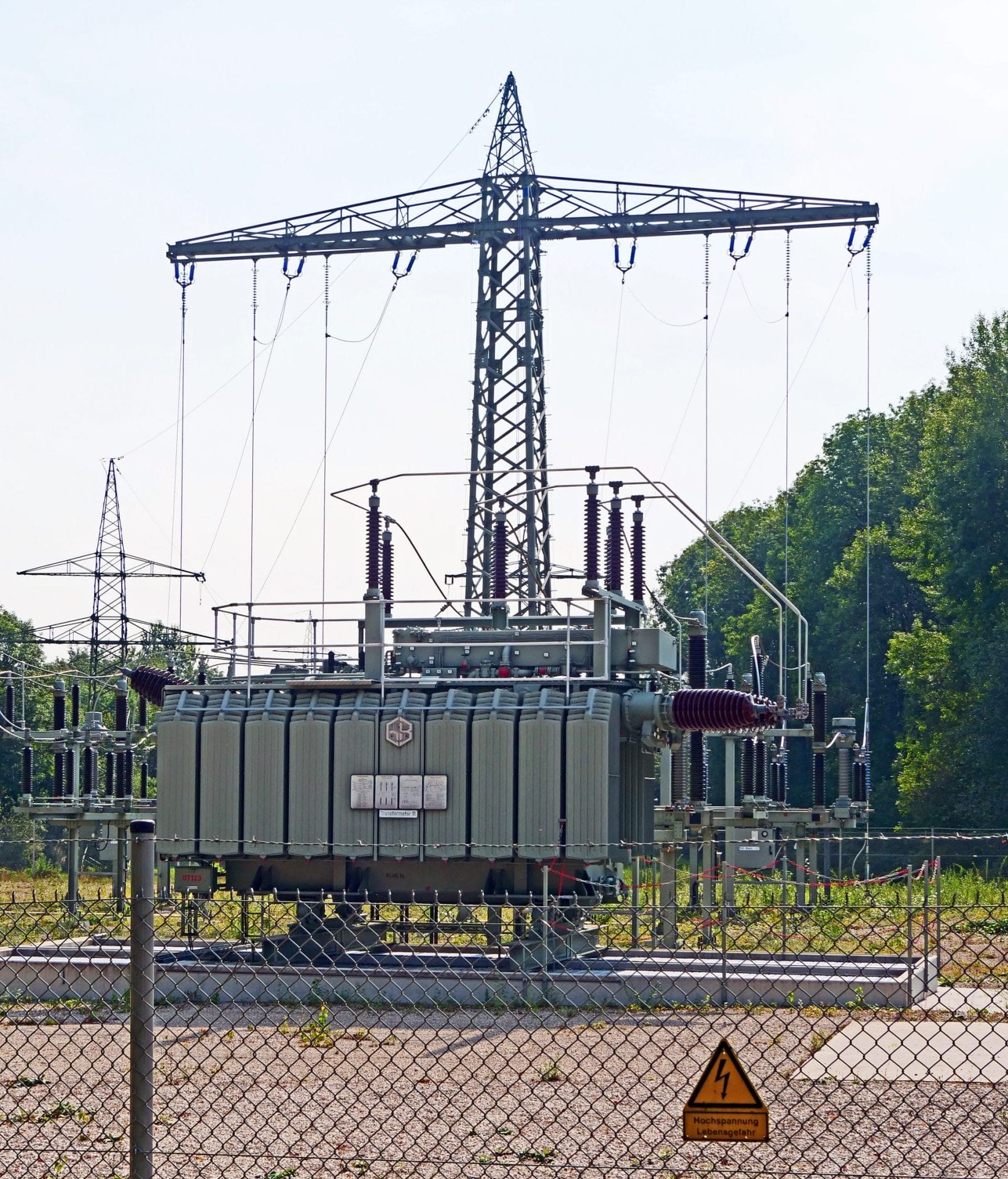
Electrical substation transformers and pylons
Capabilities

Why Electronics Manufacturers Choose Innovative Resin Systems

The three advantages below come from decades of designing potting and encapsulation systems for harsh operating environments.
Illustration of multiple resin chemistries being dispensed onto different substrates

Multi-Chemistry Formulation Under One Roof

We formulate REZ-CURE® heat-cure epoxy/anhydride systems, ambient- and elevated-cure epoxies, and ambient-cure polyurethanes in-house, so the chemistry matches your circuitry rather than the reverse.
Cutaway of a thermal management heat exchanger

Insulation and Thermal Control in One System

Electronics need to stay insulated and stay cool at once. Our electrical potting compound pairs high dielectric strength with the thermal conductivity that draws heat away from dense boards and power devices.
Laboratory technician inspecting a resin sample

Direct Chemist Access and Fast Iteration

Qualification schedules can’t wait on long email chains. You’ll work directly with the chemist who created your sample, and every iteration ships with the ISO 9001 and UL documentation your approval process needs.
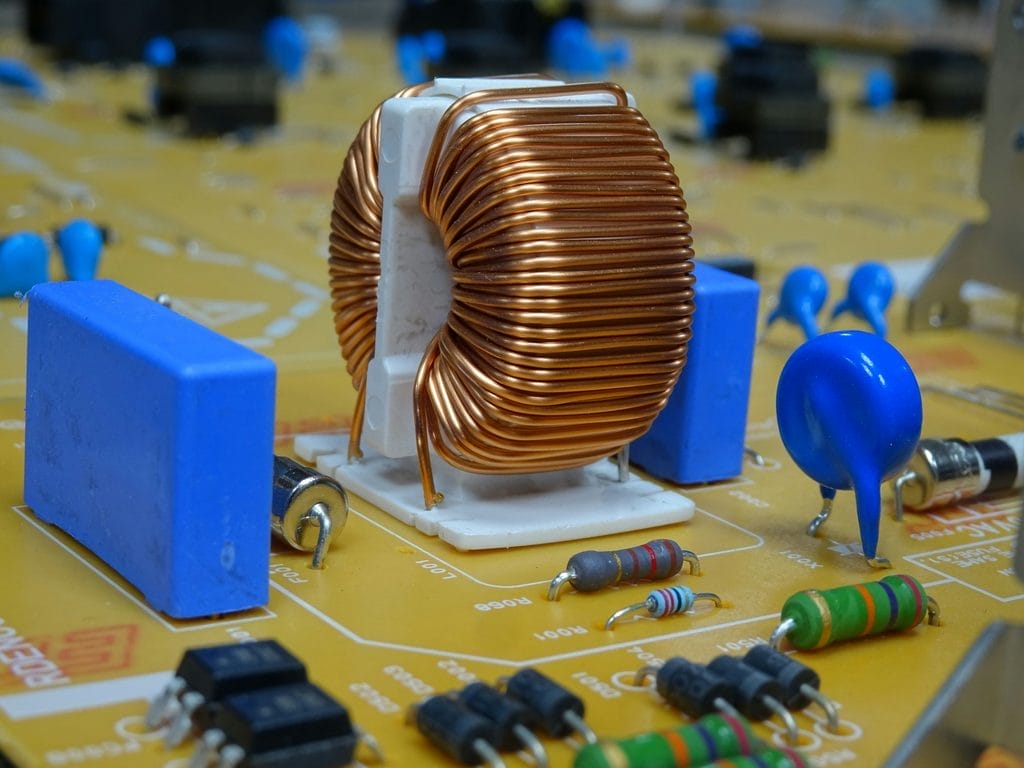
Toroidal inductor mounted on a circuit board
Application Areas

Where Our Epoxy for Electrical Potting & Encapsulation Performs

From circuit boards to high-voltage assemblies, our epoxy for electronics insulates, conducts heat, and seals out what shortens electronic life.

Circuit Board Potting and Encapsulation

Populated boards encounter moisture, dust, vibration, and mechanical stress throughout their service life. Our electrical potting compounds encapsulate the assembly, secure components, electrically insulate circuitry, and seal it against environmental exposure.

High-Voltage Device Encapsulation

High-voltage power supplies, transformers, and modules can arc across small gaps. Our electrical epoxy fills those voids, provides high dielectric strength, suppresses corona discharge, and maintains reliable insulation under sustained high voltage.

Sensor Encapsulation

Sensors operate directly within challenging environments. Encapsulation protects the sensing element from humidity, chemicals, vibration, and mechanical shock while preserving signal integrity for consistent, accurate performance.

Power Electronics and Module Potting

Power electronics generate significant heat within compact assemblies. Our thermally conductive epoxy systems transfer heat efficiently to the housing while maintaining complete electrical insulation, helping devices operate cooler and more reliably.

Coil, Transformer, and Winding Impregnation

Wound components require every turn to remain electrically insulated and mechanically secure. Our epoxy and polyurethane systems penetrate windings, reduce vibration, and maintain dielectric strength through repeated thermal cycling.

Connector and Cable Assembly Potting

Connectors and cable terminations experience constant movement, vibration, and mechanical stress. Potting seals the connection, provides strain relief, and prevents moisture intrusion to improve long-term reliability.

Circuit Encapsulation and IP Protection

Potting compounds do more than protect electronics; they also conceal circuit layouts and component values. Opaque epoxy and polyurethane systems help safeguard proprietary designs while providing long-term electrical insulation and environmental protection.

  • AS9100D
    Certified Manufacturer
  • ISO 9001
    Quality Management
  • 50+
    Years Structural Bonding
  • Fast
    Qualification Cycles

Frequently Asked Questions

Find answers to common questions about our electrical potting compound and encapsulation systems, from choosing a resin to meeting UL requirements.
What is an electrical potting compound used for?

Electrical potting compounds protect electronic assemblies by encapsulating sensitive components against moisture, dust, chemicals, vibration, and mechanical stress. They also provide electrical insulation, improve thermal management, and help extend product service life in demanding operating environments.

How do I choose between epoxy and polyurethane potting compounds?

The right chemistry depends on your application’s electrical, thermal, and mechanical requirements. Epoxy systems typically offer high dielectric strength, chemical resistance, and dimensional stability, while polyurethane systems provide greater flexibility and impact resistance. We help select the formulation that best fits your design.

Can your potting compounds improve heat dissipation?

Yes. We develop thermally conductive systems that transfer heat away from electronic components while maintaining reliable electrical insulation. This helps reduce operating temperatures and improve long-term performance in power electronics and other heat-generating assemblies.

Are your systems suitable for high-voltage applications?

Yes. Our epoxy systems are formulated for high-voltage devices that require dependable dielectric strength and resistance to tracking, arcing, and corona discharge. We tailor formulations to your insulation and performance requirements.

Can you formulate a custom electrical potting compound?

Yes. We develop epoxy and polyurethane systems around your application’s cure profile, thermal requirements, dielectric performance, substrate compatibility, and manufacturing process instead of relying on off-the-shelf formulations.

Do you support qualification and production scaling?

Yes. Our chemists work with you from formulation through validation and production, providing technical guidance, ISO 9001 quality systems, UL-recognized formulations where applicable, and the supporting documentation needed for qualification and scalability.

Innovative Resin Systems laboratory workspace